

Lucky Dreams casino Plinko
Introduction
Plinko is one of those top Lucky Dreams Casino games before depositing real money that looks almost too simple at first glance. A ball drops from the top of the board, bounces through a field of pegs, and lands in a prize slot with a set multiplier. That is the whole visual idea. Yet in practice, Lucky dreams casino Plinko creates a very specific kind of tension that many players do not get from standard online slots.
After testing different Plinko versions across modern gambling platforms, I can say the appeal is not just in the clean interface or the instant results. The real hook is the contrast between what the player sees and what the session actually feels like. On screen, it is only a falling ball. In reality, every drop is a fast decision cycle built around stake size, board setup, number of rows, and the selected risk level. Those settings can make the same title feel calm and repetitive or sharp and highly volatile.
For New Zealand players looking at Lucky dreams casino Plinko, the key question is not whether the format is trendy. The better question is what this game really offers compared with slots, roulette review, crash games, or live dealer tables. This article focuses on that practical side: how Plinko works, why it attracts attention, where the risk sits, and what a player should understand before starting a real-money session.
What Plinko is and why it stands out on a casino platform
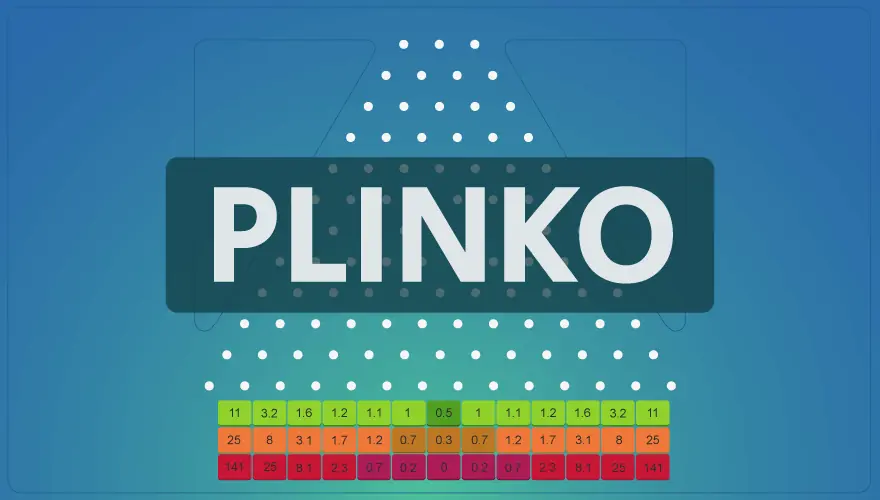
Plinko is a chance-based casino game built around a vertical board filled with pegs. The player chooses a bet, often adjusts the risk level, sometimes selects the number of rows, and then releases a ball from the top. As the ball hits peg after peg, it moves left or right until it lands in one of the payout slots at the bottom. Each slot carries a multiplier, and that multiplier determines the return for that round.
Its visibility has grown for a simple reason: the format is immediately understandable. You do not need to learn paylines, symbol values, bonus rounds, or side bets before you begin. In a few seconds, even a new player understands the core loop. That low barrier matters. Many casino games ask the player to process a lot of information before the first stake is placed. Plinko does the opposite.
But the simplicity is slightly deceptive. The board looks transparent, yet the experience can change dramatically depending on the settings. A low-risk setup usually pushes more outcomes toward the middle of the board, where multipliers are smaller and more frequent. A high-risk setup shifts the profile toward rare but much larger returns at the edges. This is where Lucky dreams casino Plinko becomes more than a visual novelty. The player is not just watching a random drop; they are choosing the shape of variance before each session.
That is one of the most important things to understand. Plinko feels simple because the interface is stripped down. It does not mean the session itself is simple in emotional or bankroll terms.
How the Plinko mechanic actually works in real play
The core mechanic is based on repeated random deflections. Once the ball is released, it travels down the board and changes direction each time it touches a peg. The final landing point is mapped to a multiplier field at the bottom. In many versions, the middle slots pay less but appear more often, while the outer slots offer larger multipliers but are reached less frequently.
On Lucky dreams casino, Plinko usually makes the player interact with a few key settings before the first drop:
Bet size — this defines the cost of each drop and directly affects exposure over time.
Risk level — typically low, medium, or high, changing the distribution of multipliers.
Rows — in many versions, more rows mean a longer path and a wider spread of potential outcomes.
Manual or auto play — this affects pace more than probability, but pace matters a lot in this format.
What looks like a visual toy is really a probability model wrapped in a clean animation. The ball does not “learn,” the board does not become “hot,” and previous drops do not make edge results more likely on the next round. Each drop is independent. That may sound obvious, but Plinko often creates a false sense of pattern because players can literally watch the path. When a ball keeps landing near the middle, some people start feeling that a high multiplier is “due.” It is not. The board is not building toward a correction.
This is also where Plinko differs from the mental rhythm of slots. In a slot, the random process is hidden behind spinning reels and symbol combinations. In Plinko, randomness is visible. Because the path is visible, many players feel they are closer to the outcome than they really are. That illusion of readability is one of the most interesting parts of the format.
| Element | What it changes | What it means for the player |
|---|---|---|
| Bet amount | Value of each result | Higher stakes increase pressure quickly because rounds resolve fast |
| Risk level | Distribution of multipliers | Low risk usually gives steadier small returns, high risk creates sharper swings |
| Number of rows | Path length and payout spread | More rows often widen the range between common and rare outcomes |
| Auto mode | Session speed | Can make bankroll changes feel abstract if the player stops tracking results closely |
Why the pace of Plinko feels different from other casino games
One reason Plinko became so noticeable is its rhythm. There is almost no downtime. You choose the settings, release the ball, get the result, and move on. No reel anticipation, no card dealing sequence, no waiting for a wheel to settle. This creates a compact loop that can feel efficient and satisfying, especially for players who prefer quick feedback.
That speed is a strength, but it is also where discipline becomes important. A fast game can compress a lot of bankroll movement into a short period. In Plinko, the rounds are so brief that a player may place far more bets in ten minutes than they would in many slot sessions. If they use auto play, the pace becomes even more detached from the emotional weight of each individual stake.
Here is a practical observation that often gets missed: Plinko can feel calm even while it is burning through a budget quickly. The board animation is neat, repetitive, and almost soothing. That visual softness can hide the real speed of the session. It is one of the rare casino formats where the interface looks relaxed while the bankroll curve can become aggressive.
Another detail worth noting is that Plinko gives immediate closure after every drop. There is no bonus feature to chase and no free spins sequence to wait for. For some players, that is a major advantage because every result is clear and self-contained. For others, it removes the layered excitement that makes slots engaging over longer sessions. Whether that is a strength or a limitation depends heavily on the player’s preferred style.
Understanding risk levels, probability flow, and session dynamics
If I had to name the single most important concept in Lucky dreams casino Plinko, it would be outcome distribution. The game is not only about whether you land a return. It is about how returns are spread across the board and how often certain multipliers appear relative to others.
In low-risk mode, the board tends to be structured so that the center holds more frequent modest multipliers. The result is usually a smoother session profile. You may see more regular small returns, but the top-end upside is reduced. This does not make the game safe in any absolute sense. It simply means the swings are often less violent.
In high-risk mode, the board becomes much more demanding. The large multipliers at the edges become the headline attraction, but they are rare for a reason. Most drops still end in ordinary or low-value zones, and long dry stretches are possible. This can create a session where the player experiences many underwhelming results while waiting for one strong hit that may never arrive during that run.
That is why Plinko should not be judged only by its maximum multiplier. The top number is part of the story, but not the whole story. What matters more is the route you take to get there and how many low-value outcomes you are likely to absorb along the way.
For players in New Zealand exploring Luckydreams casino Plinko, I would frame the risk question like this:
Do you want steadier feedback? Low risk is usually easier to read and less emotionally draining.
Are you chasing rare spikes? High risk can produce memorable moments, but it also creates harsher losing stretches.
Can your bankroll handle speed? Even moderate variance becomes serious when rounds resolve rapidly.
One memorable truth about Plinko is that the same board can feel generous and brutal within the same hour. That is not inconsistency in the software. It is the natural effect of a format where short-term results can swing sharply around the expected return profile.
What players should know before launching a Plinko session
Before starting, it helps to reset expectations. Plinko is not a strategy game in the traditional sense. You can manage stake size, choose the risk mode, and control session length, but you are not outplaying the board. There is no hidden timing edge, no visual trick to predict the landing slot, and no smart release pattern that overrides randomness.
What you can do is shape the experience. That matters more than many players think. A small stake on low risk with limited auto play creates a very different session from a large stake on high risk with a long automated run. Same title, same board, completely different emotional and financial profile.
I would pay attention to these points before the first drop:
Check the RTP if it is listed. Return to player gives context, even though it does not predict short sessions.
Understand the multiplier map. Do not focus only on the highest number at the edges.
Use demo mode if available. It helps reveal the pace and variance without immediate cost.
Set a round limit or budget limit. Plinko can move faster than expected.
Choose risk level deliberately. Many disappointing sessions come from players selecting high risk without accepting what that really means.
There is also a psychological point here. Because each round is short, players often react to clusters of outcomes more emotionally than they would in other formats. Five or ten weak drops in a row can feel personal because you watched every bounce. It is useful to remember that visible randomness is still randomness.
How Plinko compares with slots, roulette, crash games, and live tables
Plinko sits in an unusual position among online casino games. It is not a slot, but many slot players are drawn to it. It is not a table game, yet it feels more transparent than many table-based digital products. It also shares some DNA with Lucky Dreams Casino crash games and account details in the sense that both appeal to players who like short rounds and direct control over session tempo.
Compared with classic online slots, Plinko removes narrative layers. There are no reels, no expanding wilds, no scatter symbols, and usually no feature rounds. What you get instead is a stripped-back probability event repeated at high speed. That makes the experience cleaner, but also less varied over long sessions.
Compared with roulette, Plinko feels more visual and less formal. Plinko presents a path-based animation that makes chance feel more physical. Roulette presents a fixed betting grid and a familiar mathematical structure. The player sees the route, even though they still cannot influence it after release.
Compared with crash games, Plinko is less about timing and more about acceptance of preset distribution. In crash, the player often chooses when to cash out. In Plinko, the decision happens before the drop through risk level and stake size, not during the result itself.
Compared with live dealer products, Plinko is much faster and far less social. There is no presenter, no table atmosphere, and no human pacing. That makes it efficient, but not immersive in the same way.
| Format | What drives interest | How Plinko differs |
|---|---|---|
| Classic slots | Symbols, features, bonus rounds | Plinko is more direct and less layered, with shorter result cycles |
| Roulette | Betting structure and wheel outcomes | Plinko feels more animated and less strategic in appearance |
| Crash games | Cash-out timing and rising multiplier tension | Plinko locks in the risk profile before the action begins |
| Live casino | Human interaction and table realism | Plinko is faster, more solitary, and more repetitive by design |
Practical strengths and weak points of Lucky dreams casino Plinko
The strongest side of Lucky dreams casino Plinko is clarity. The player quickly understands what is happening, what each drop costs, and what outcome arrives. There is very little interface clutter. That makes it accessible not only to experienced casino users but also to players who find slot paytables or table game side options unnecessarily dense.
A second strength is adjustable session character. Risk settings and row configurations can materially change the feel of the board. This gives the player more control over the style of variance than many casual casino formats do. You are still not controlling the result, but you are controlling the shape of the experience.
The third strength is pace. For players who dislike long setup time and want immediate feedback, Plinko is efficient. It works well for short sessions because it gets to the point quickly.
The weak side is repetition. Once the novelty of the bouncing path wears off, some players start to feel that every round is too similar. Without bonus stages or changing gameplay layers, the title can become flat for users who want progression and surprise beyond raw multiplier outcomes.
Another limitation is that high-risk mode can be misunderstood. The board may advertise striking top multipliers, but the path to those results is often rough. Some players read the visual simplicity as a sign of soft variance, then discover the opposite after a short session. This mismatch between appearance and actual swing profile is one of the biggest practical issues with Plinko.
There is also a subtle drawback in how the game presents chance. Because the ball movement is visible, players may believe they are observing meaningful patterns. That can encourage poor decision-making, especially if they increase stakes after a series of middling landings.
Who Plinko suits best and who may prefer another format
In my view, Plinko suits players who value directness. If you want a casino game with quick rounds, simple controls, visible outcomes, and no need to study a long paytable, it makes sense. It can also suit players who like to define the tone of the session through risk selection rather than simply accepting a fixed volatility model.
It is a reasonable fit for:
players who prefer short, fast sessions;
users who like clean interfaces and low learning friction;
people who want to test different variance profiles through risk settings;
slot players looking for a break from reels and bonus-heavy design.
It may be a poor fit for:
players who want deep features or evolving gameplay;
users who get frustrated by repeated low-value outcomes;
people who chase patterns in random events;
anyone who struggles to control pace in rapid-fire formats.
If a player enjoys anticipation built around free spins, sticky symbols, or cinematic bonus rounds, classic slots may still be more satisfying. If they prefer social energy and slower decision-making, live dealer games are likely the better option. Plinko works best when the player wants concentrated randomness without decorative layers.
Final verdict on Lucky dreams casino Plinko
Lucky dreams casino Plinko offers a very specific kind of casino experience: fast, stripped back, visually simple, and more flexible in session style than it first appears. Its strength is not complexity. Its strength is how clearly it turns probability into a visible event. You choose a stake, define the risk profile, release the ball, and see the outcome immediately.
That directness is exactly why some players enjoy it and others lose interest quickly. If you want a clean format with short rounds and adjustable variance, Plinko can be a smart choice. If you need layered features, story-like momentum, or the sense that each round builds toward something bigger, it may feel too narrow.
The main practical advantage is control over session tone. The main caution is speed. Because the interface looks simple and calm, it is easy to underestimate how quickly results accumulate and how sharp the swings can become, especially on high risk. For that reason, the best approach is to treat Plinko as a precision format: understand the board, respect the pace, and do not confuse visible motion with predictable outcomes.
In short, Lucky dreams casino Plinko is worth trying for players who want transparent gameplay and immediate feedback. It is not a universal fit, and it should not be mistaken for a low-pressure novelty. Behind the clean board and bouncing ball, there is a serious variance model at work. That is exactly what makes the game interesting — and exactly why caution matters.
FAQ
How does Plinko work on the game lobby, ball drop to multipliers?
Plinko uses a grid where a ball is launched from the top and bounces down through pins into numbered slots at the bottom. Each landing slot corresponds to a multiplier, so the result is determined by where the ball finishes. Winnings reflect that multiplier applied to the stake used for the drop.
Can Plinko be played in demo mode or only with real-money play?
Lucky Dreams offers a demo mode for Plinko so players can practice the flow without using casino funds. Real-money play is available in the same game interface once a deposit-funded balance is used. Demo and real-money sessions may show different balances and session behavior.
What happens if the game freezes mid-round or the page is refreshed during Plinko?
A refresh during an active ball drop may interrupt the visual round, so the displayed result might not appear as expected. After reconnecting, the game lobby should allow starting a new round. If stakes were deducted but the result is unclear, contacting support with the session details is recommended.
What is a common beginner mistake when playing Plinko, and how can it be avoided?
A frequent mistake is placing a ball drop without re-checking the stake after switching between demo and real-money play. Another common issue is rapidly increasing stake after a win streak starts. Keeping the stake level steady and confirming the selected mode before launching a round reduces errors.
How can a player open Plinko and fund real-money play if they only have access to a casino account?
Log in to the casino account first, then use the cashier to deposit the funds required for real-money play. After the deposit is credited, return to the game lobby and select the real-money mode for Plinko. Withdrawal availability and payment method rules are handled through the cashier, so checking those details before a deposit can prevent delays.